

Recap of the week in the Southwest
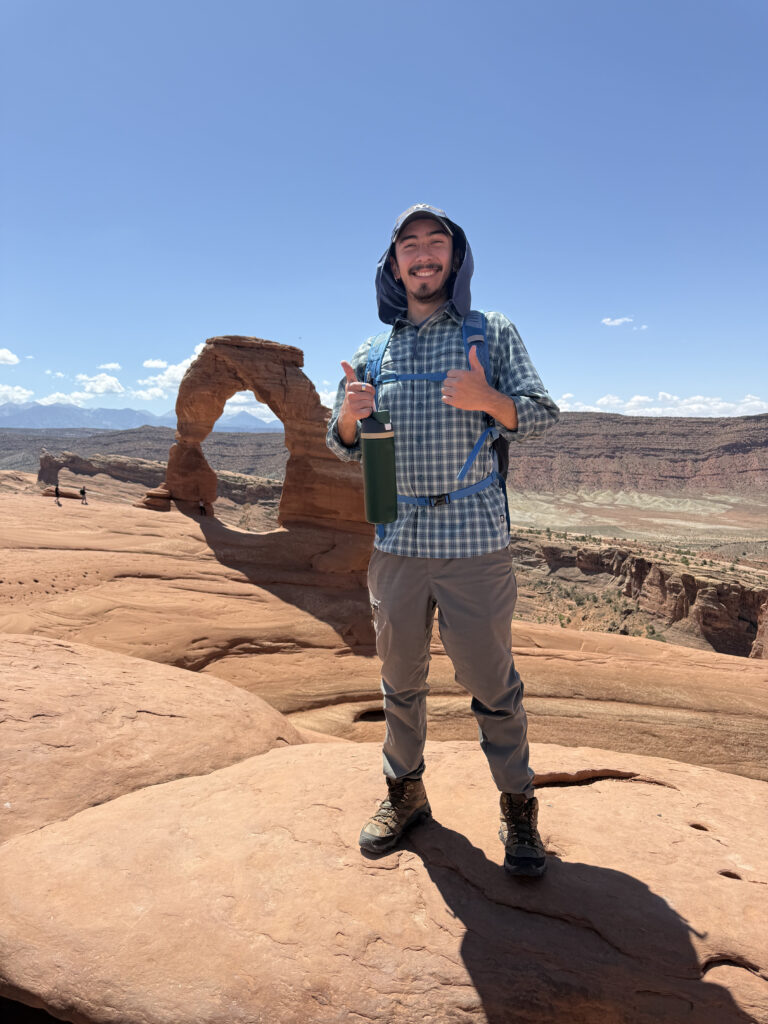
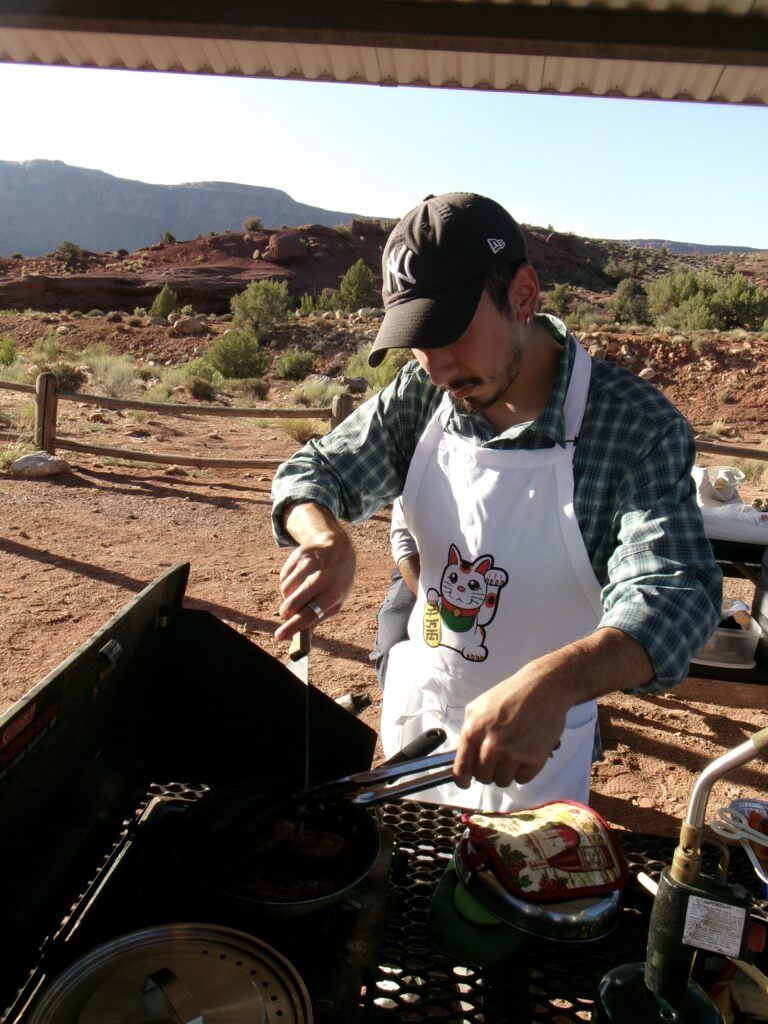
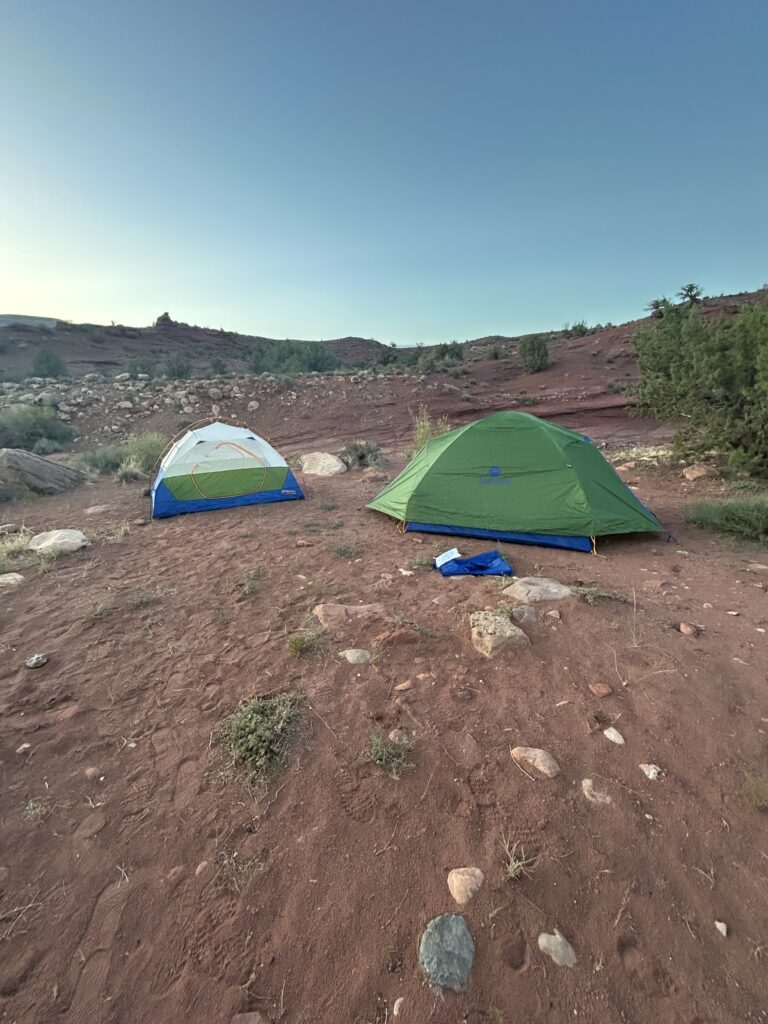
Hey y’all, Jorge Salinas here. Our week of traveling westward through Nebraska, Colorado, and Utah had been nothing short of eventful. From driving over the Rocky Mountains in Colorado to hiking to Delicate Arch in Utah and camping near Arches National Park and Dinosaur National Monument, this trip has been full of numerous first-time experiences for a Latino low-income student from urban Texas. So, to start this blog post, I would like to thank the Four Corners Fund for sponsoring our trip through the Southwest and making this summer a worthwhile one with plenty of great memories.
Meeting Ricky Leo, descendant of Rock Springs Chinatown
After just over 1,400 miles, we finally got to our destination, which was Rock Springs, Wyoming. For the first three days, we transitioned into “archaeology mode” and worked on setting up excavation units for the Rock Springs Chinatown dig. Volunteering with us at the site is none other than Ricky Leo, a Rock Springs native and a descendant of Rock Springs Chinatown residents. Ricky has been a complete pleasure to work with; he particularly enjoys screening dirt that we excavate from our units and has found a great handful of metal nails, Chinese ceramics, and animal bones.
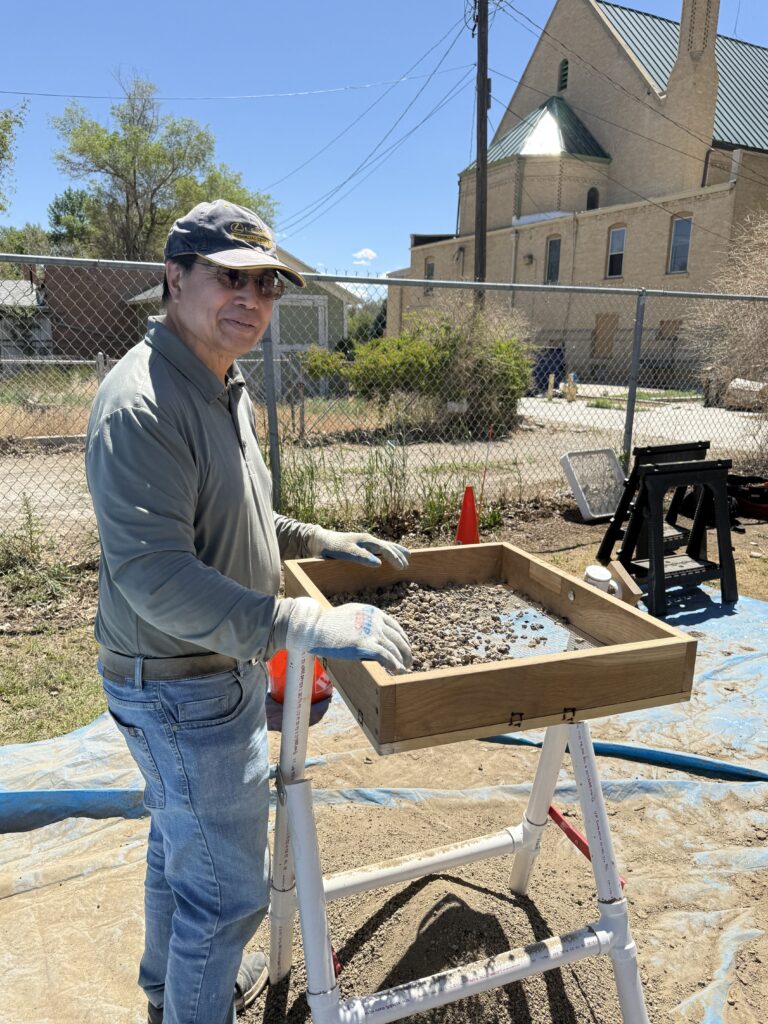
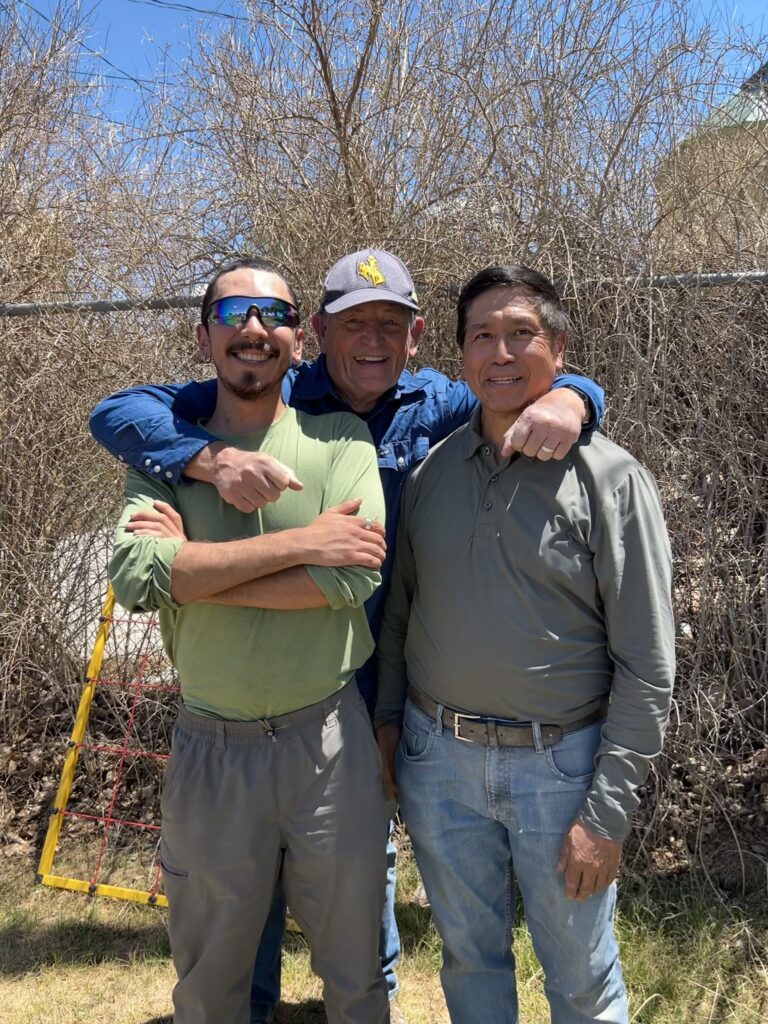
In addition to assisting us at the site, Ricky has been an important source in helping us better understand the lives of Chinese immigrants residing at Rock Springs Chinatown as he has conducted research on the former community as an organizer of the 140th Anniversary Commemoration of the Rock Springs Chinese Massacre. Ricky–the son of Rock Springs restaurateurs–also helped us understand the lives of Chinese Americans in the city after the Chinatown no longer existed as most of these Chinese Americans ended up in the restaurant business.
The Grand Café & New Grand Café of Rock Springs and Ricky Leo’s Recollections
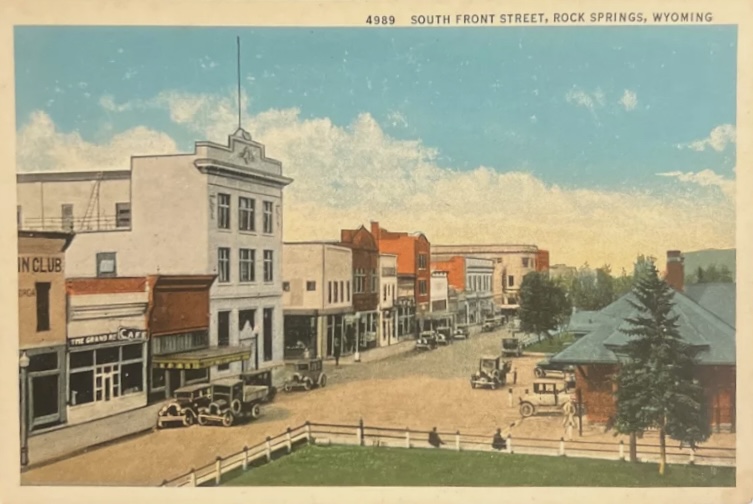
Holding a historic location on South Main Street of Rock Springs, the Grand Café, which turned into the New Grand Café on K Street in the 1950s (Ricky Leo personal communication 2025), has acted as a center of Ricky’s familial history and a means of perseverance among the Chinese community. Utilizing immigration records and a 2024 interview with Ricky Leo (the interview was conducted and shared with me by Professor Ng), I have been able to learn a lot about Ricky and this important restaurant.
The story of the Grand Café and Ricky’s family starts with a Chinese immigrant named Lui Hoi Hong (aka Leo Hung), one of the early 20th century proprietors of the Grand Café and a World War I veteran (Lui Hoi Hong interview 1933). The restaurant was where farewell dinners were held for retiring Chinese coal miners who lived in Rock Springs Chinatown in the 1920s (Employees’ Magazine 1925; Tallmire & Harrington 1927).
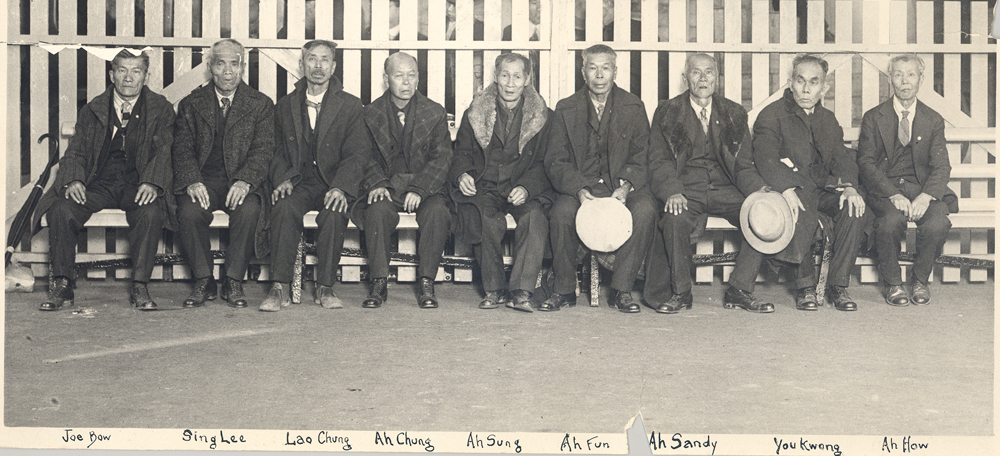
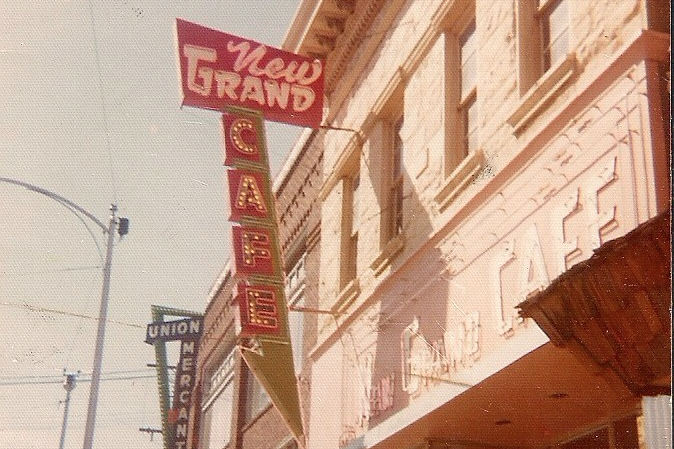
Leo Hung would go on to adopt Shew Keith “Sonny” Leo, Ricky Leo’s father who was born in China. The reason that I say “adopt” in this manner is that Sonny Leo was a paper son named “Gain Thyn Lui” and Leo Hung was his paper father. Paper sons or daughters were Chinese individuals who paid for identification documents from Chinese Americans to enter the United States as a means of resisting the Chinese Exclusion Act of 1882. Sonny Leo would go on to co-own the New Grand Café with Leo Hung in the 1950s, which introduced a breath of modernity and delicious Chinese and American cuisine to Rock Springs. Ricky recounts the interior design of the café being defined by an L-shaped counter with a handful of jukeboxes present, a multitude of booths that could accommodate parties ranging from 2 to 16 people (Leo 2024). As for the food, he shared how a lot of the food took the form of American dishes and Americanized versions of Chinese dishes to appeal to the demographics of Rock Springs. Sonny Leo cooked American dishes during his time at the New Grand Café which included corned beef, pot roast, and roast turkey.
(Leo & Leo 2022)
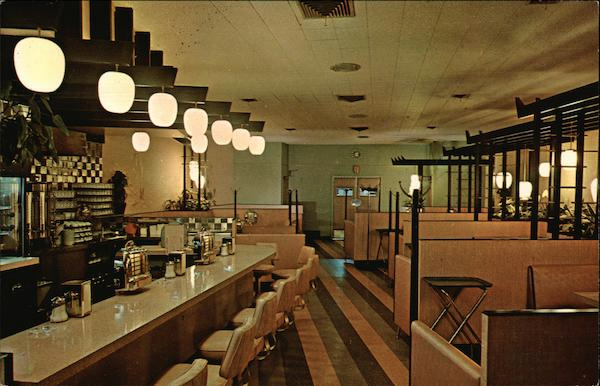
(eBay)
A more complete and detailed story of Leo Hung and the Grand Café/New Grand Café will be published as an ArcGIS story map later this summer…stay posted by subscribing to the Buried Chinatowns blog on our homepage.
References
Employees’ Magazine. 1925. “Goodbye Old Chinamen. Safe Home. Many Happy Days in China. The Story of Nine Old Chinese and Their Return to China.” Employees’ Magazine: The Union Pacific Coal Company, December 1925.
Leo, Ricky. 2024. Interview by Laura W. Ng. Thousand Oaks, CA. May 26. Transcribed by Yurie Okumura.
Lui Hoi Hong. 1912-1953. File 7030-6024; Chinese Exclusion Act Case Files, 1892-1944; Seattle Office; Records of the U.S. Immigration and Naturalization Service, Record Group 85; National Archives and Records Administration-Pacific Region, Seattle, WA.
Tallmire, Frank, and H.J. Harrington. 1927. “Homeward Bound.” Employes’ Magazine: The Union Pacific Coal Company, December 1927.
Image Sources
eBay. Rock Springs Wyoming New Grand Cafe Postcard. https://www.ebay.com/itm/297328853895
Leo, Ricky and Leo, Grace. 2022. From Rock Springs to Ventura. Gum Saan Journal, 44. https://gumsaanjournal.com/resisting-racism-we-are-in-this-together/from-rock-springs-to-ventura/
Mary L. Martin Vintage Postcards. Rock Springs Wyoming South Front Street Vintage Postcard https://www.marylmartin.com/product/rock-springs-wyoming-south-front-street-vintage-postcard-aa58688/


Leave a Reply to Dudley Gardner Cancel reply