

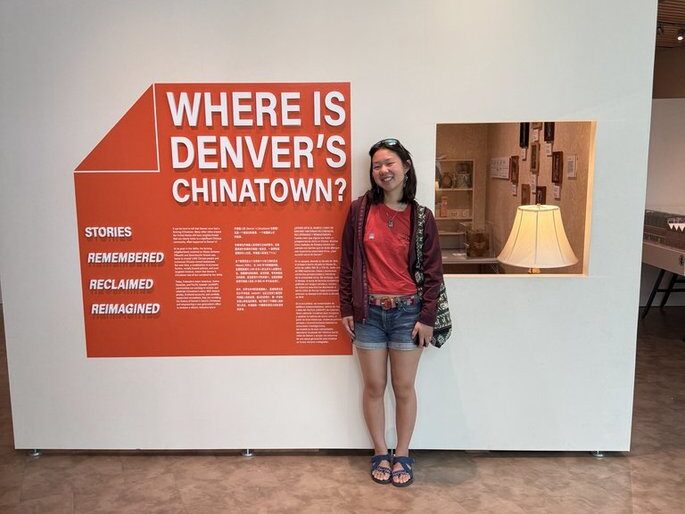
Hi everyone! Avajane here again, and today I’m here to talk about our second stop on our journey to Rock Springs: Denver, Colorado! On the morning of July 3rd, our MAP group visited the History Colorado Museum’s temporary exhibit on Denver’s Chinese community. This blog post will take a slightly different approach, as I will be taking a trip down memory lane while sharing what I learned about another Chinatown in the American Mountain West during the 19th and 20th centuries.
Ever since 2014, I spent most of my summer and winter breaks in the suburbs of Denver, where my dad and my stepmom lived. Through weekly field trips with my summer camp or weekend excursions with my family, I explored and grew to love the Mile High City. Even though I am Chinese American, I had never known of the existence of Denver’s Chinatown. I learned about it for the first time during our visit to the exhibit, which opened up a new perspective of a city I grew up in.
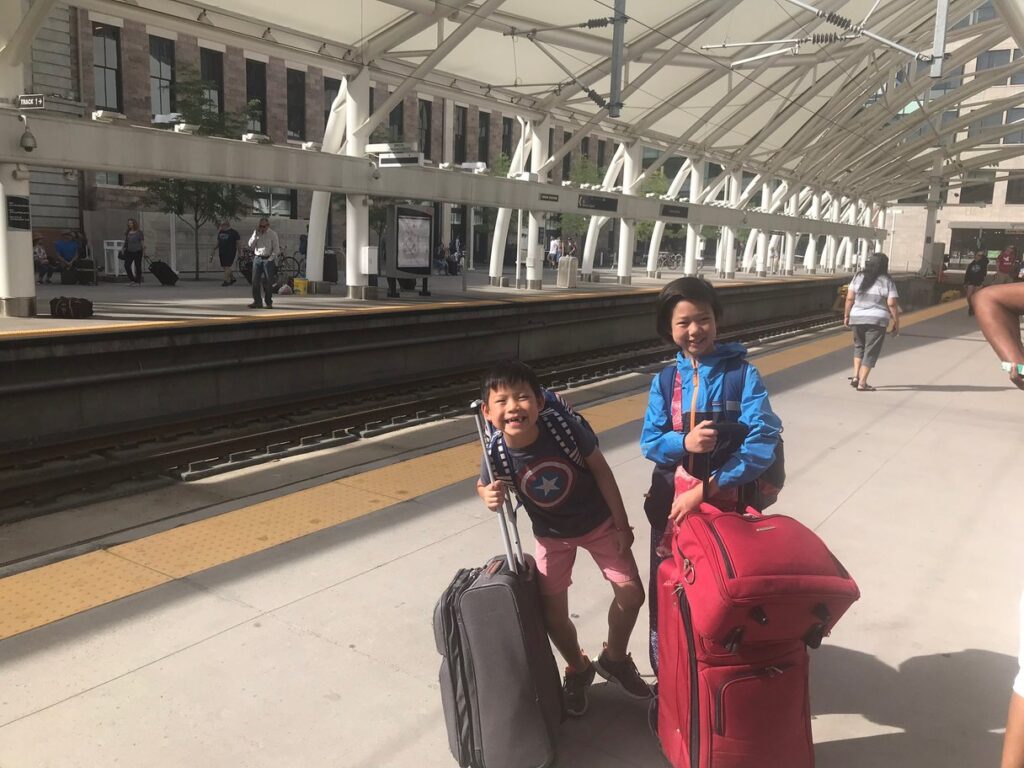
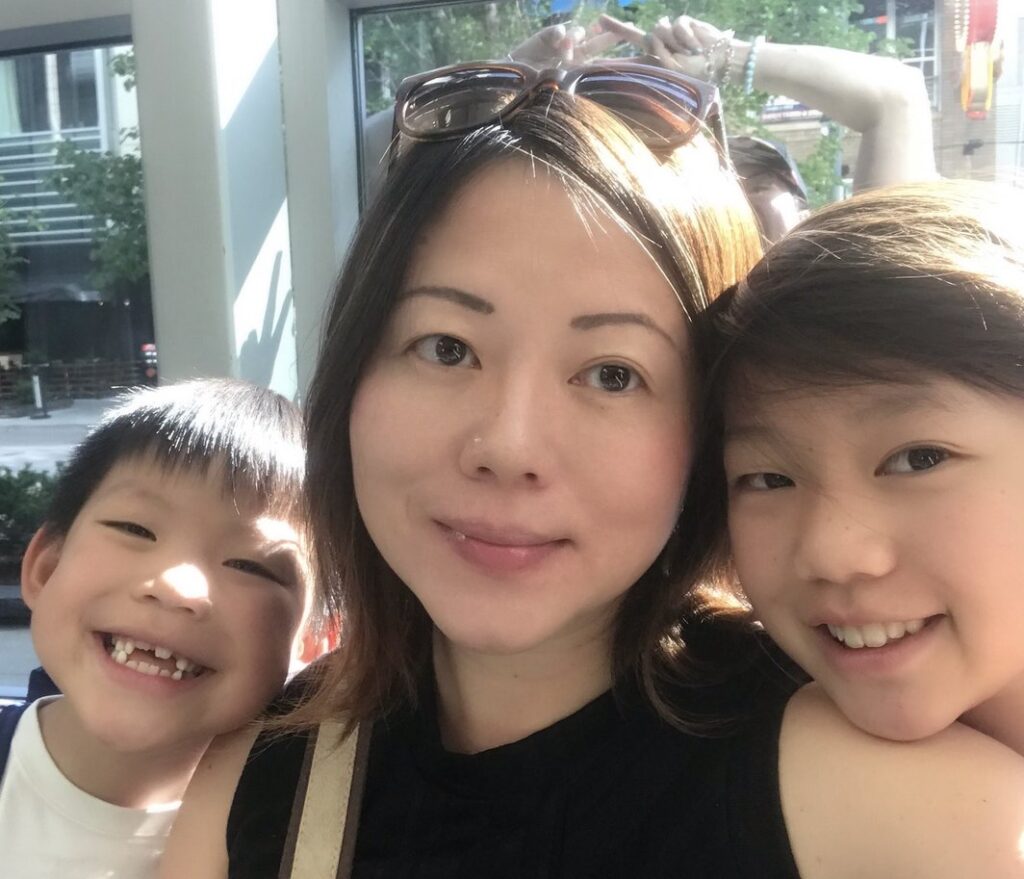
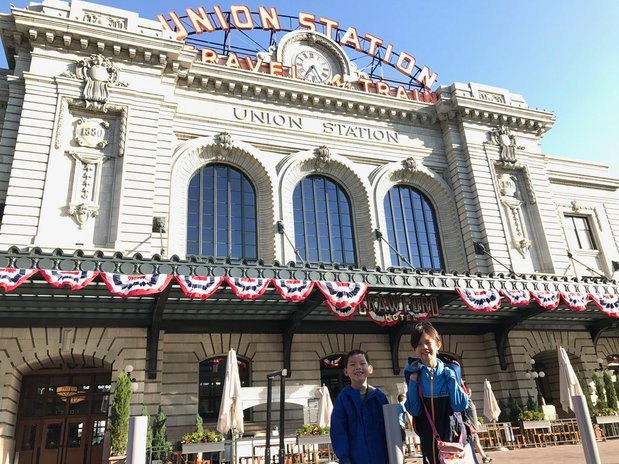
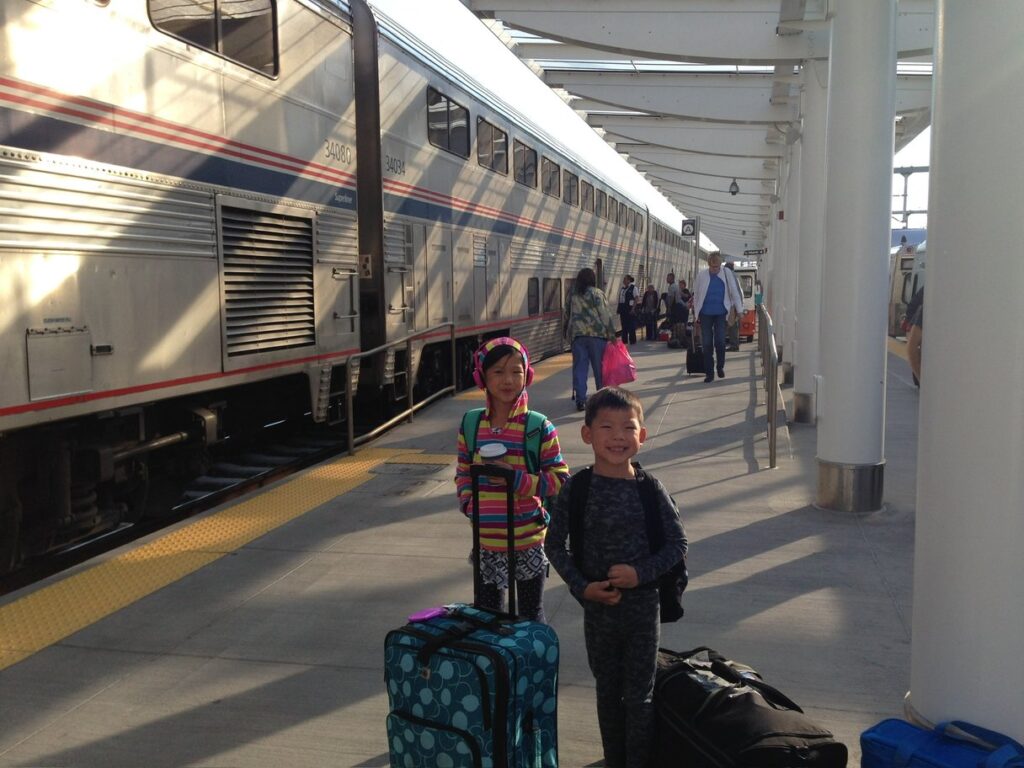
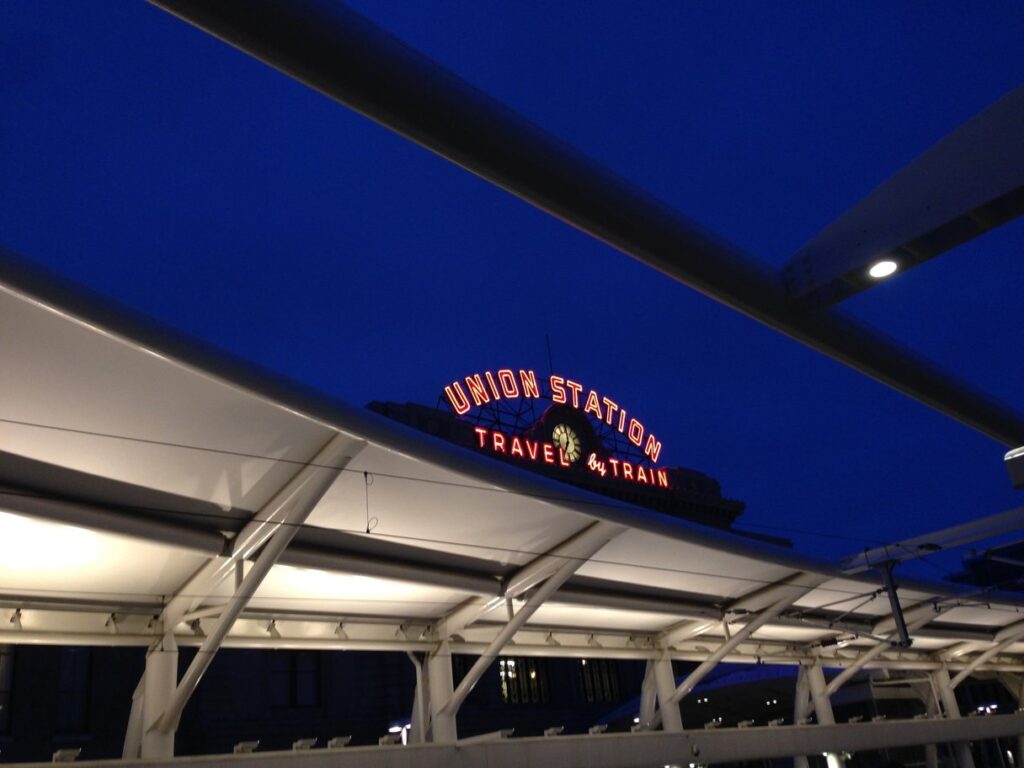
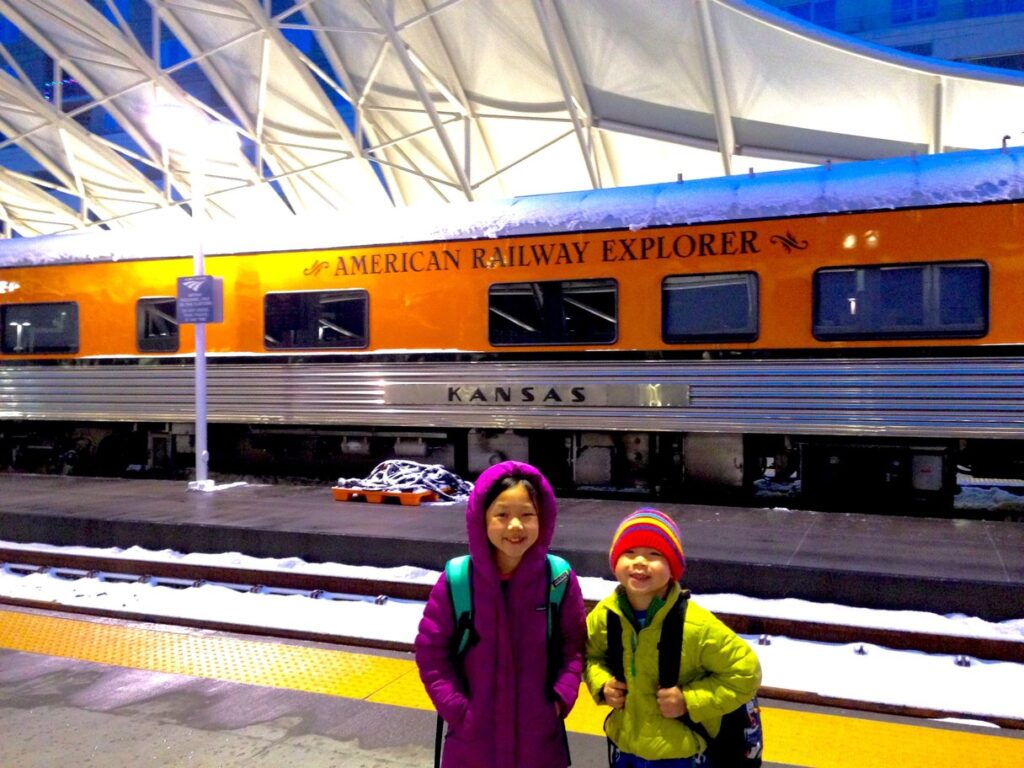
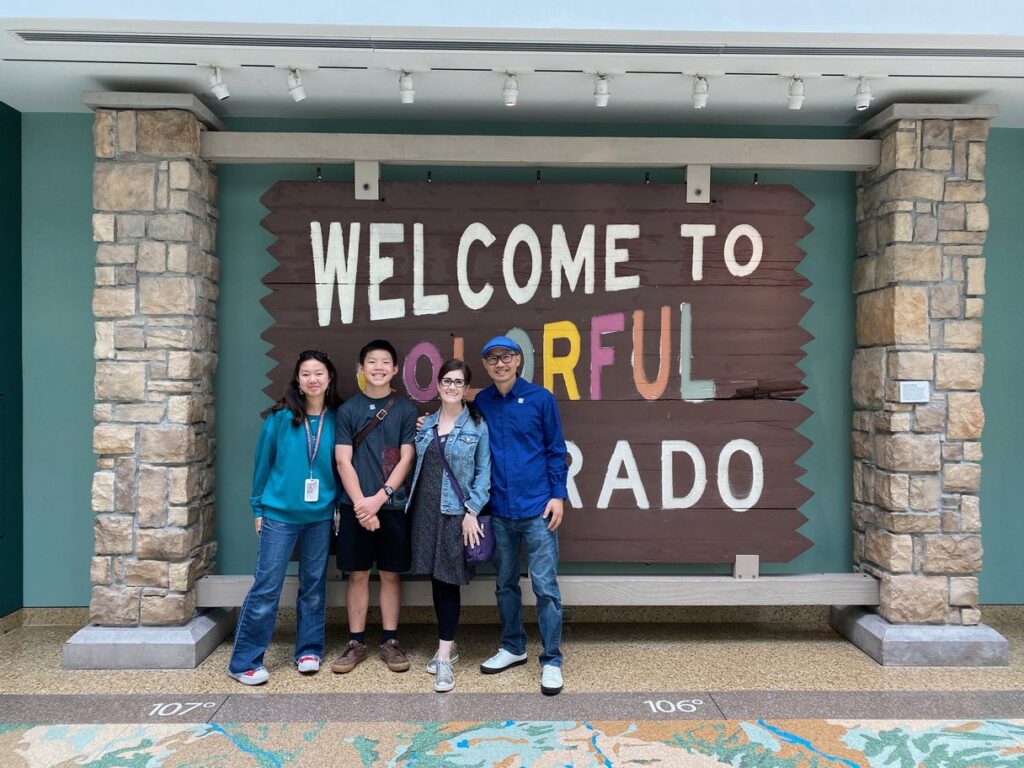
Photos courtesy of my mom’s personal photo collection dated from 2014-2018.
For many of the first school breaks I spent in Colorado, my stay aways began at Union Station with my mom and brother, a landmark that now stands where Chinatown once was.
From the exhibit, I learned that Denver’s Chinatown was located in Lower Downtown (“LoDo”) on Wazee Street, between 15th and 17th Streets. It was once home to a population of 1,000 Chinese residents who had settled in the Rocky Mountains after the Gold Rush and the construction of the Transcontinental Railroad.
Like many Chinese communities across the United States, the people of Denver’s Chinatown faced xenophobia from the surrounding white community and the infliction of harmful stereotypes in the press. For example, its nickname, Hop Alley, came from local journalists who painted a falsified version of Chinatown as a dangerous area characterized by gambling, opium (also known as hop) use, and sex work.
Tensions rose because of racism which led to the 1880 Anti-Chinese Riot in Chinatown, where a mob of 3,000–5,000 people destroyed the homes and businesses of Chinese residents, who never received compensation for the damages. It also resulted in the murder of Look Young, a twenty-eight-year-old man who had only lived there for six months as a worker for Sing Lee’s laundry.
Even before and after the riot, the Chinese community supported each other and their businesses, had community leaders, and established centers where they could practice their religious beliefs. After the riot, despite the violence they had faced, they weren’t driven out. Instead, the community rebuilt and continued to live in Denver’s Chinatown. During this period, the population grew to 1,000 residents and the community fostered a sense of unity.
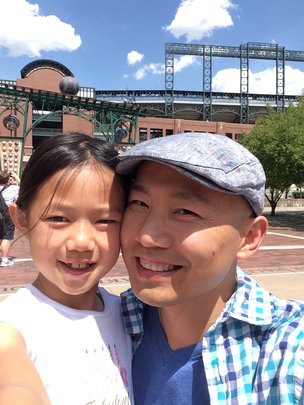
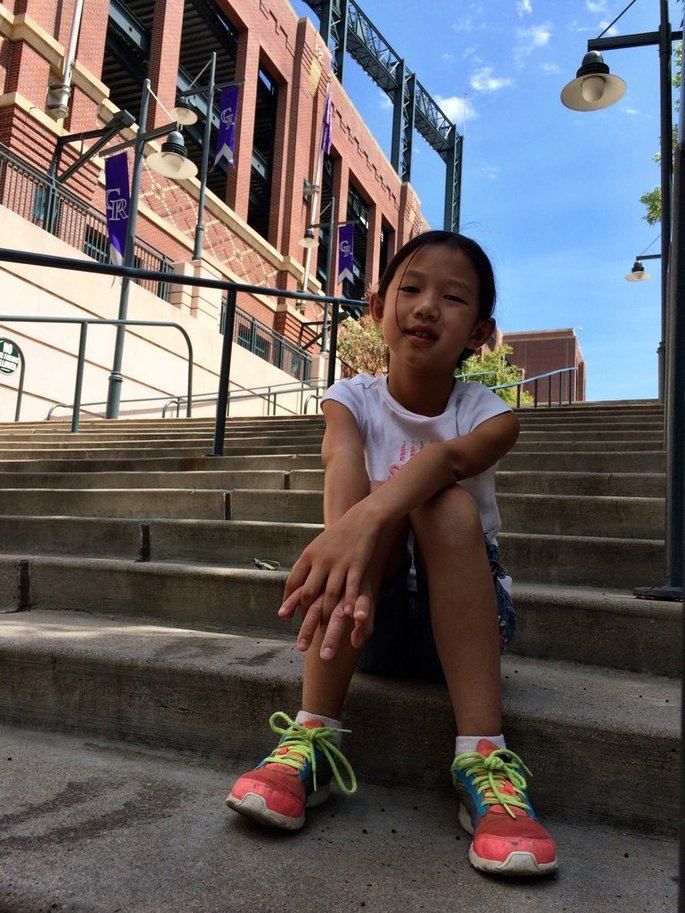
Photos courtesy of my dad’s personal photo collection dating from 2014-2023.
From family outings to birthday celebrations, I grew up visiting Coor’s Field and the History Colorado Museum, unaware of the stories that lay beneath my feet.
Since then, Chinatown’s population has been displaced, dropping to 110 in 1940 due to the economic depression and redevelopment in the area.
One part of the exhibit I resonated with the most was a section which highlighted the lives of Denver’s Chinatown residents who played mahjong with their families, spoke Cantonese, and celebrated Chinese New Year together. Being Asian American from both Washington DC, and Denver, both of which once had flourishing Chinatowns, I feel determined to unearth the ways in which these communities remained resilient as they faced social and systematic racism. One of my meaningful takeaways from this trip is that whenever I get to revisit these sites, they won’t only spark nostalgia, but curiosity that hopefully uncovers the past.
At the end of the exhibit, the space invited visitors to reflect and envision a future for Denver’s Chinatown. As a child in the 2010s, I have many memories of attending Rockies games at Coors Field or arriving at Union Station on the Amtrak with my mom and brother at the beginning of our school breaks. Throughout all these years, I was never aware of the Chinatown that lay beneath these landmarks. As I continue to reflect on my visit, I am grateful to have learned more about Denver’s history through the lens of archaeology and the study of Chinese diasporic communities.
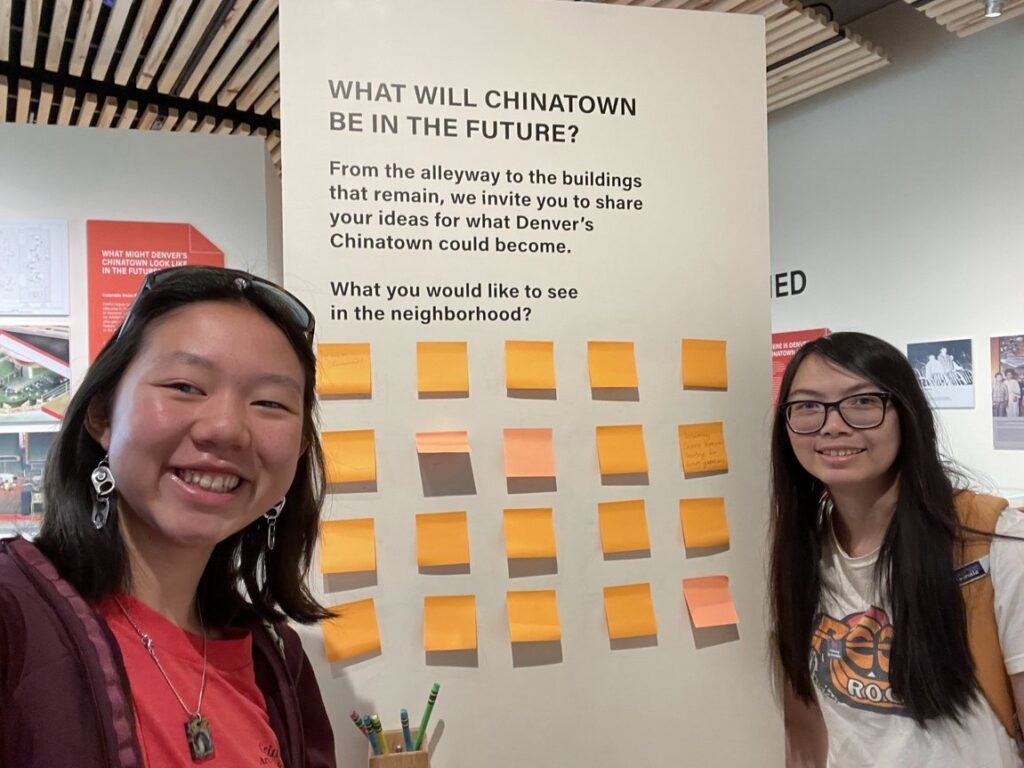
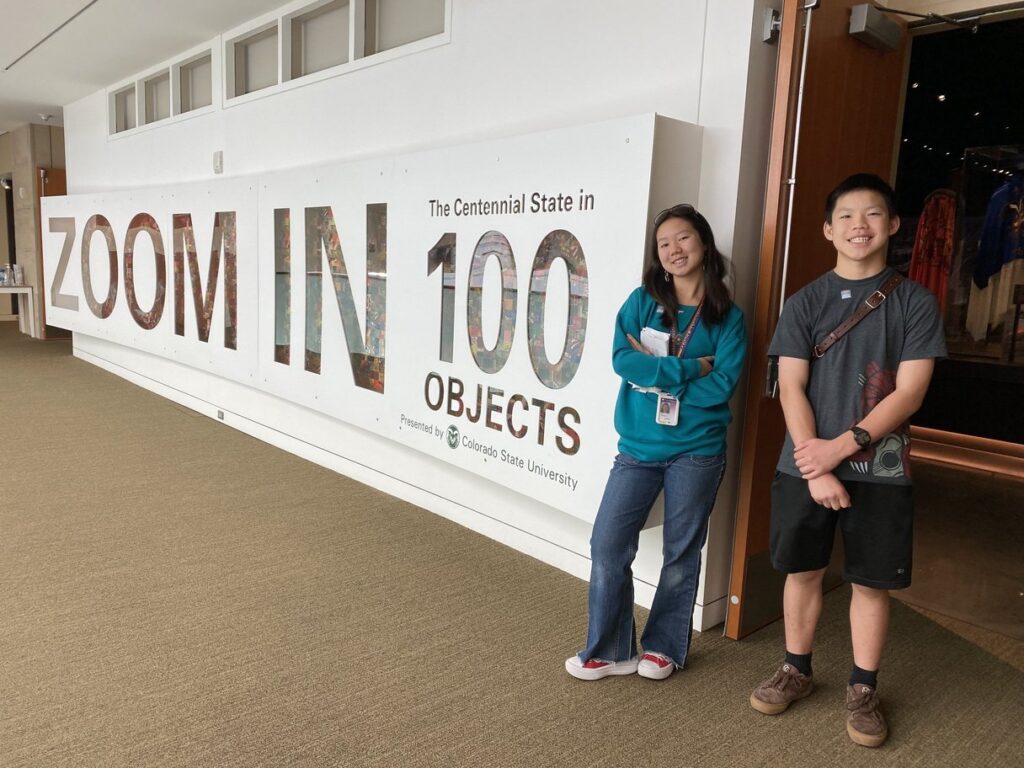
Professor Ng (right) and I (left) at the end of our visit to the exhibit, July 3rd, 2025.
References:
Where is Denver’s Chinatown? Stories Remembered, Reclaimed, Reimagined, History Colorado Museum, Denver, CO. https://www.historycolorado.org/exhibit/denvers-chinatown

Leave a Reply