

Hello, this is Luis Lopez and I am glad to be a part of the Summer 2025 Wyoming Chinatowns research team. After a week of working on learning and cataloging various artifacts, I wanted to focus on glass and share how I identified two particular glass fragments from the 1991 excavation of the Rock Springs Chinatown.
Glass objects come in a lot of shapes and forms, from window panes to liquor bottles to lamps, the general focus on what I’ll be writing about are bottles and some of the insight they provide into the daily lives of the people who lived in the Rock Springs Chinatown. Finishes on bottles often correlate to the bottle’s contents and could have been chosen for practical purposes or for style. The color of glass bottles can also provide some information into what it contained while manufacturing methods can help us the date the bottle. Much of the information for this blog post comes from the Society for Historical Archaeology (SHA) Historic Bottle Website (SHA 2025).
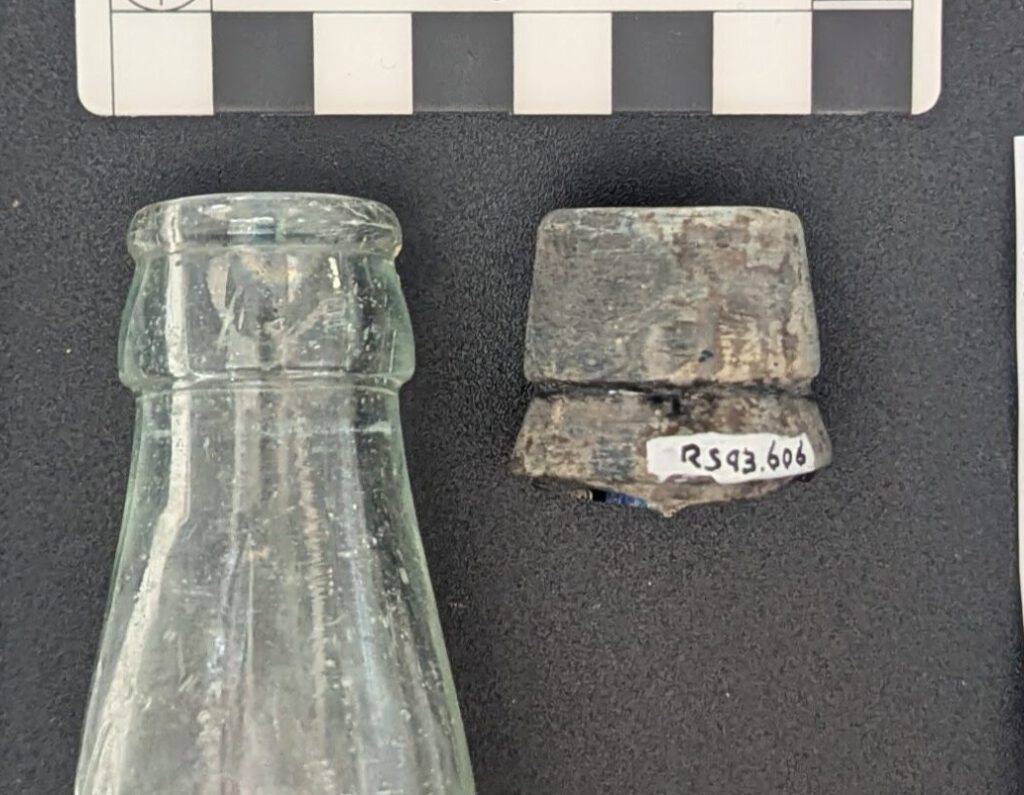
Figure 1: Image of two glass bottle finishes from Rock Springs Chinatown.
Color was sometimes specifically chosen to preserve certain types of liquid; for example, a brown bottle has the ability to prevent light from entering and altering the quality of beer or medicine inside of it (SHA 2025). Color, however, isn’t everything as many bottles with the same function can be made from varying colors as they can change because of popularity or practicality.
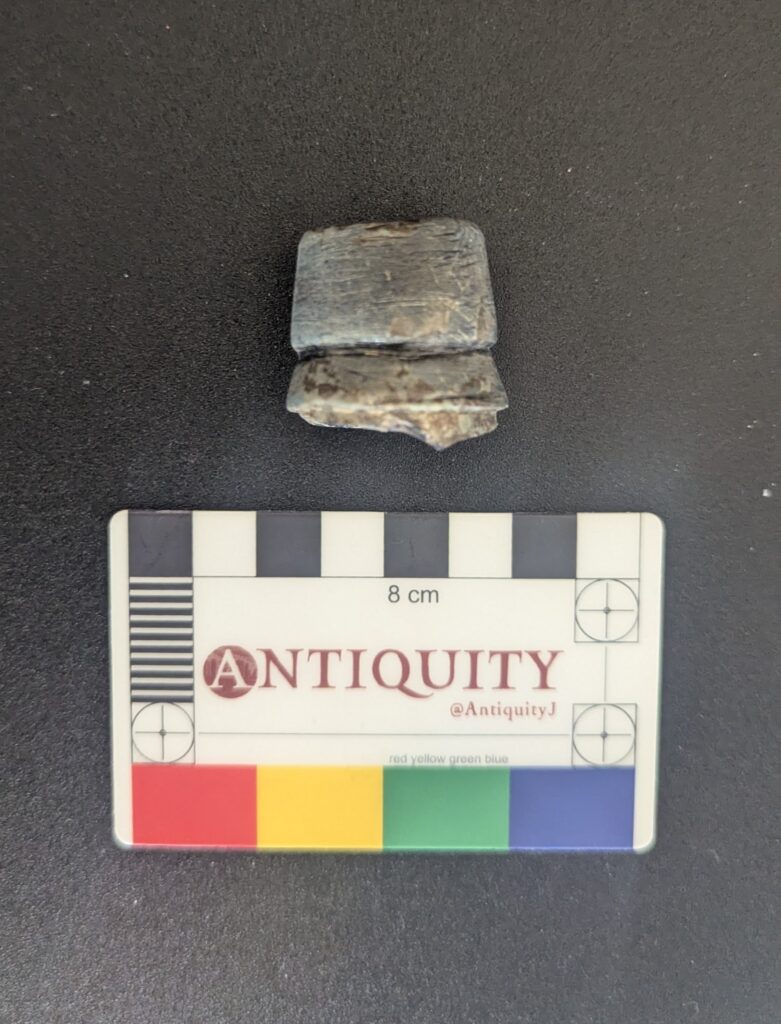
Figure 2: Brown glass bottle with mineral or double oil finish.
The brown bottle finish in Figure 2 has a 2.5cm outer diameter. The key features of this style of finish is that it comprises of two distinct parts. A longer top piece, that can vary from two time to three times the length of the shorter piece. This longer piece can be flat on the sides or have a slight taper as the bottle in Figure 2 does.
This style of finish can include different colors such as olive green, jade green, and brown. It can be found on mineral water bottles, liquor bottles, and medicinal bottles (SHA 2025). Since the color is brown, the bottle was most likely a beer or medicine bottle.
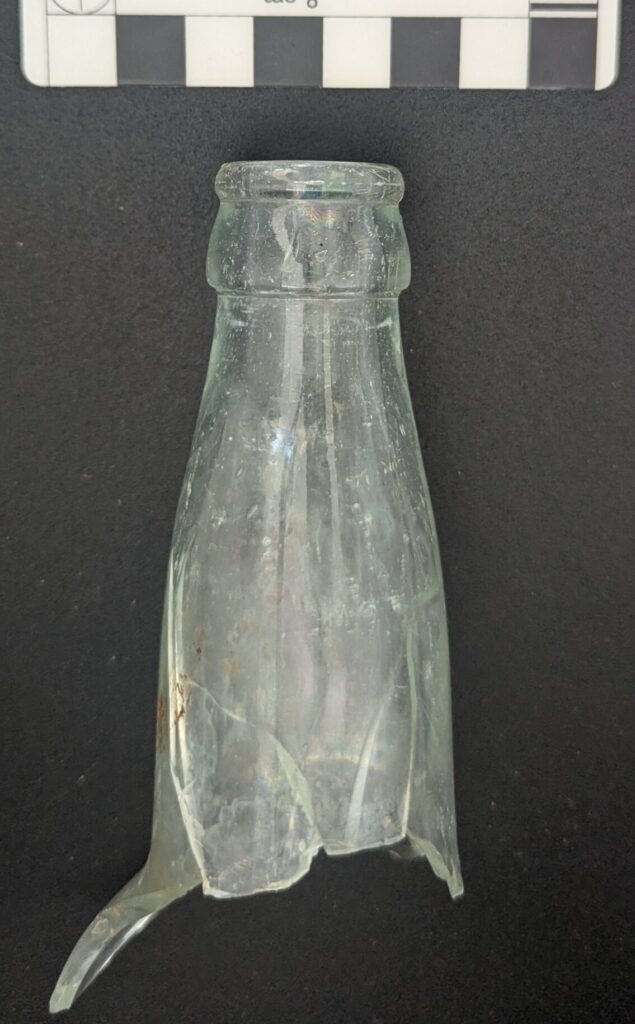
Figure 3: Colorless glass bottle neck with a crown finish.
In Figure 3, the colorless bottle finish has an outer diameter of 2.5cm and is divided into two parts. The top of the bottle finish has a thin ring and below it is a thicker but slightly tapered component. The combination gives us enough clues to identify this as a crown finish. The ring on a crown finish is where a metal bottle cap would have been placed to seal the liquid contents of the bottle (SHA 2025). Bottles with a crown finish typically held carbonated beverages such as mineral water, soda, or beer (SHA 2025). Beer might be eliminated in this case as this bottle is colorless rather than brown. Mineral water in the late 19th to early 20th centuries were sold as health beverages that could cure chronic illnesses (Malley 2010).
As for the manufacturing process, the mold seams on the side of the colorless bottle that indicate it was mold-blown rather than made with a semi- or fully-automatic mold (SHA 2025). First, the side mold seams stop below the finish and fade out and second, the seams aren’t as straight and fine as they would be if it had been made using an automatic method. Machine-made methods became popular in 1905 (SHA 2025).
The lip at the top of the two finishes appear to be hand-tooled using a finishing tool; this is based on the thin horizontal lines found around the exterior of the lip (and the lack of mold seams on the finish). Tooled finishes began no earlier than 1885 and stopped in the 1920s (SHA 2025). These two bottles, therefore, post-date the 1885 Chinese massacre.
Glass bottles have many styles of finishes and a variety of colors, both of which help provide diagnostic clues on what its contents might have been. Closely analyzing a bottle’s manufacturing technique provides information on when the bottle might have been made. Both bottle finishes that I have researched indicate that Rock Springs Chinatown residents partook in beverages that were often consumed during times of leisure or for health reasons.
References
Malley, Marjorie C. 2010. “Mineral Water,” The Encyclopedia of Oklahoma History and Culture. https://www.okhistory.org/publications/enc/entry?entry=MI040
SHA (Society for Historical Archaeology). 2025. “Historic Bottle Website.” 2025. https://sha.org/bottle/.

Leave a Reply to Evan Albaugh Cancel reply