

Hello everyone! This is Amber, one of the research assistants for the Rock Springs Chinatown Archaeology Project! It brings me joy to be a part of this wonderful team and to share our interesting findings with all of you! These past two and a half weeks, we’ve been cataloging, sorting, and cleaning artifacts from previous digs. In this post, I’d like to share information on two ginger jars from the 1991 excavation. Below are the two jars:
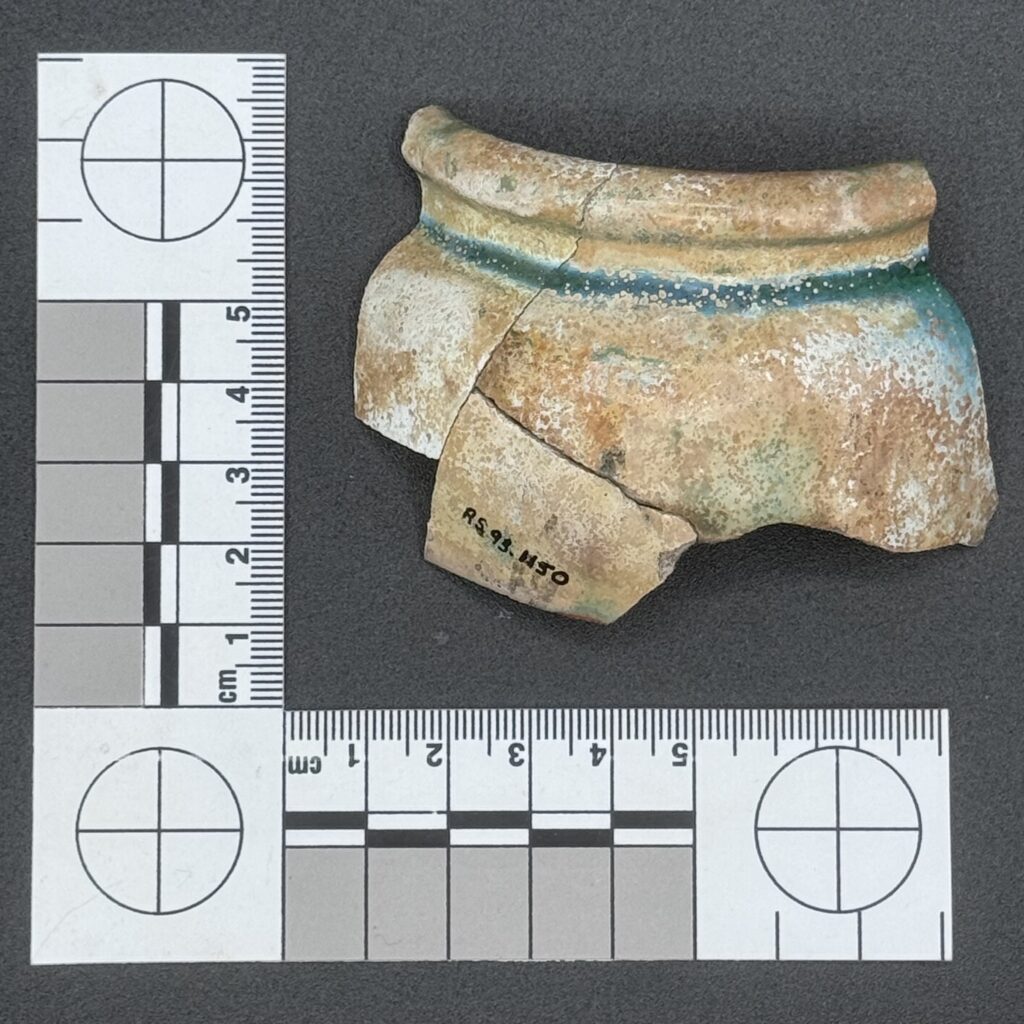
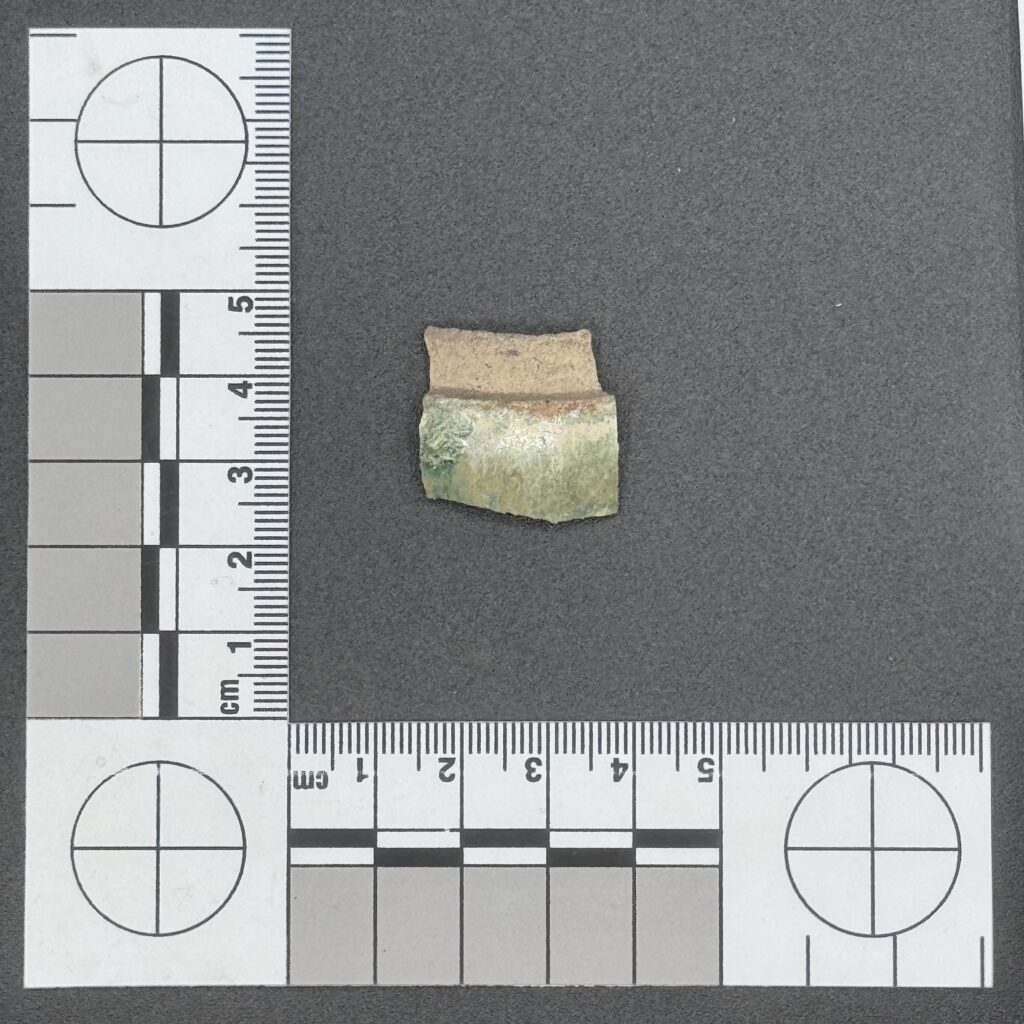
Ginger jars, as the name suggests, contain preserved ginger, and were used to transport this food from China to the West. It was believed by Western purchasers that the jars were used to contain wedding or New Year’s food gifts, and that the jars were to be returned to the giver (Campbell 2008). I tried to find a Chinese American perspective on the uses of ginger and the jar, and Professor Ng suggested I look at Hellman and Yang’s paper on Chinese brown glazed stoneware. They did not mention ginger jars specifically, but Chinese Americans who were interviewed discussed the reuse of globular jars to store ginger, as well as other foods (Hellman & Yang 1998, 61).
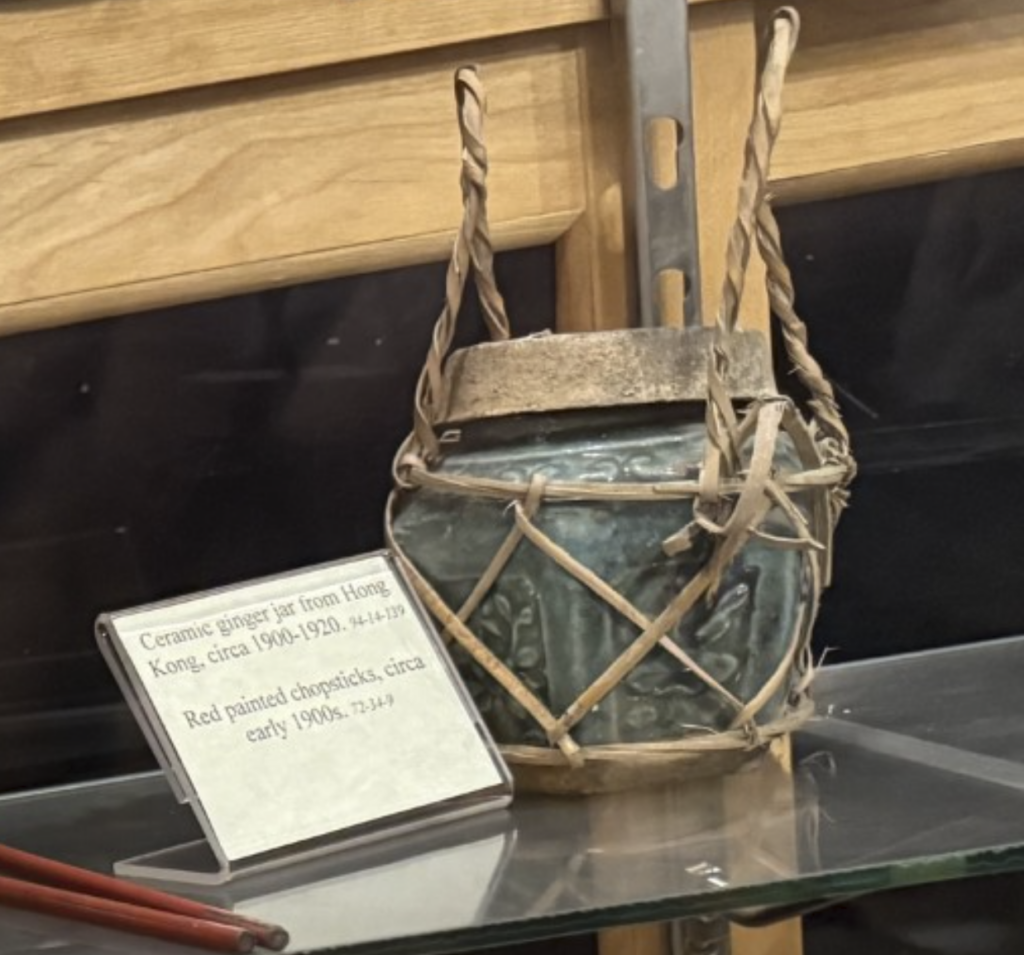
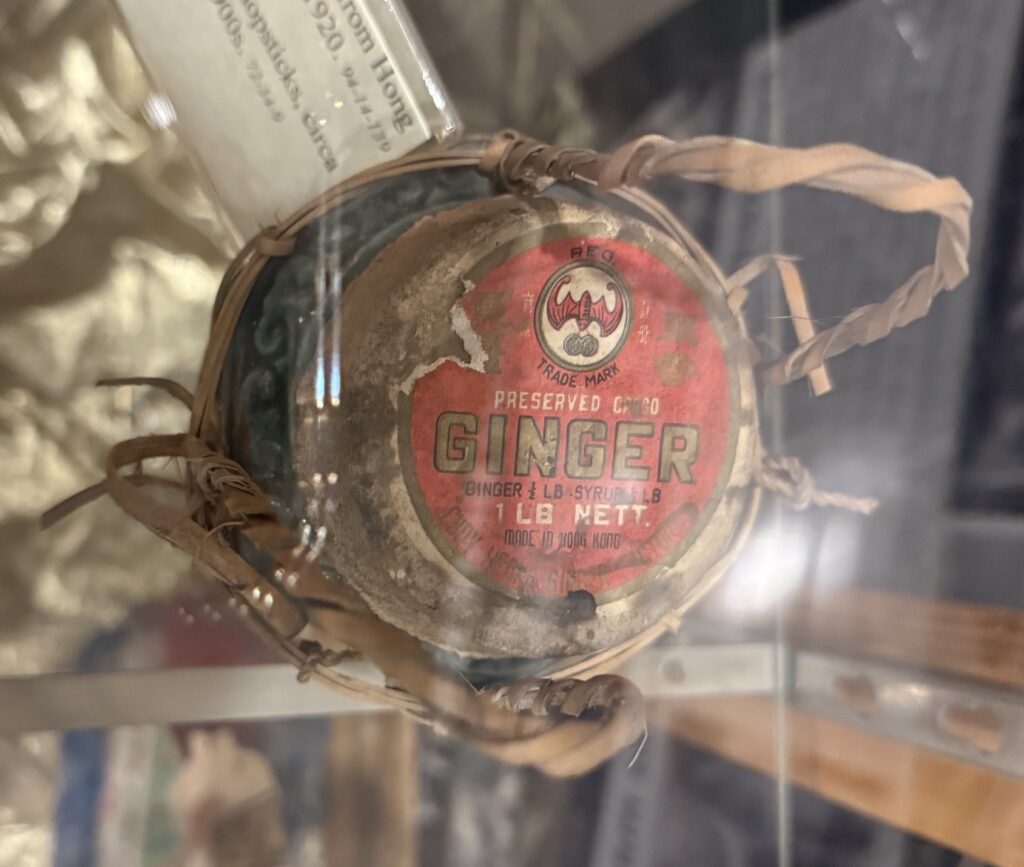
Professor Ng pointed me to a 1985 letter written by Stewart Malloch, a descendant of an Arlington Heights, near Riverside, CA, orange-growing family, who described seeing ginger jars lining the rails of old houses (Raven 1987, 242 & 260). The Malloch family’s ginger jars were green with clay lids with wicker strapping, which Malloch recalls being treated as “valueless and ubiquitous,” because they were used as vases or ashtrays (Raven 1987, 260). Malloch doesn’t describe how these ginger jars came into non-Chinese households, but stated that in their house, preserved ginger would be substituted for chutney in curry and rice meals. Something to note is that the Malloch family always had Chinese cooks, and Jim Ah was their longest serving cook, who frequently visited Riverside Chinatown (Raven 1987, 242). Malloch recalls instances where their family’s Chinese cook took 5 days off to celebrate the Chinese New Year and would return with preserved ginger along with other Chinese foods as gifts (Raven 1987, 245).
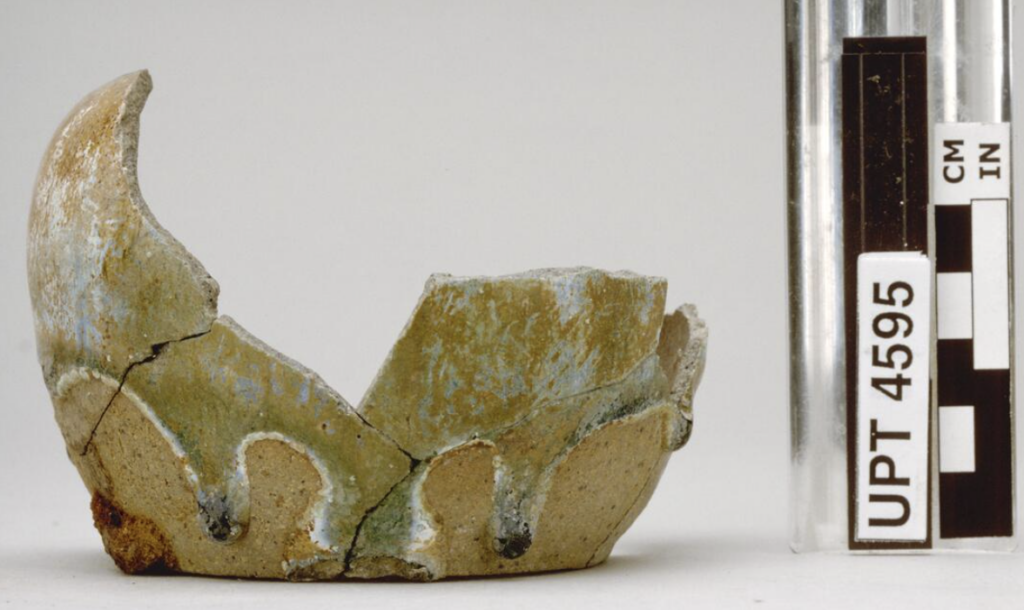
The images below show different angles of two styles of ginger jars recovered during the 1991 Rock Springs Chinatown excavation:
Ginger Jar #1
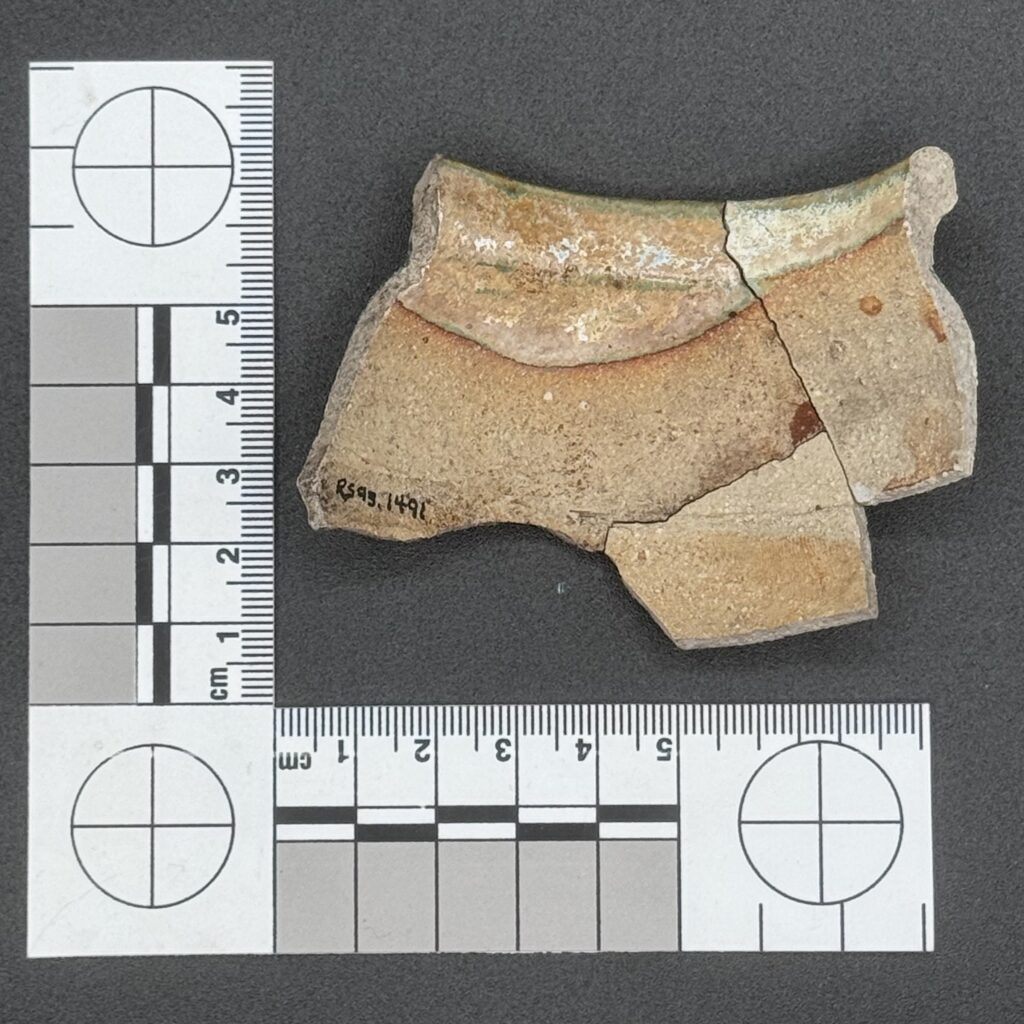
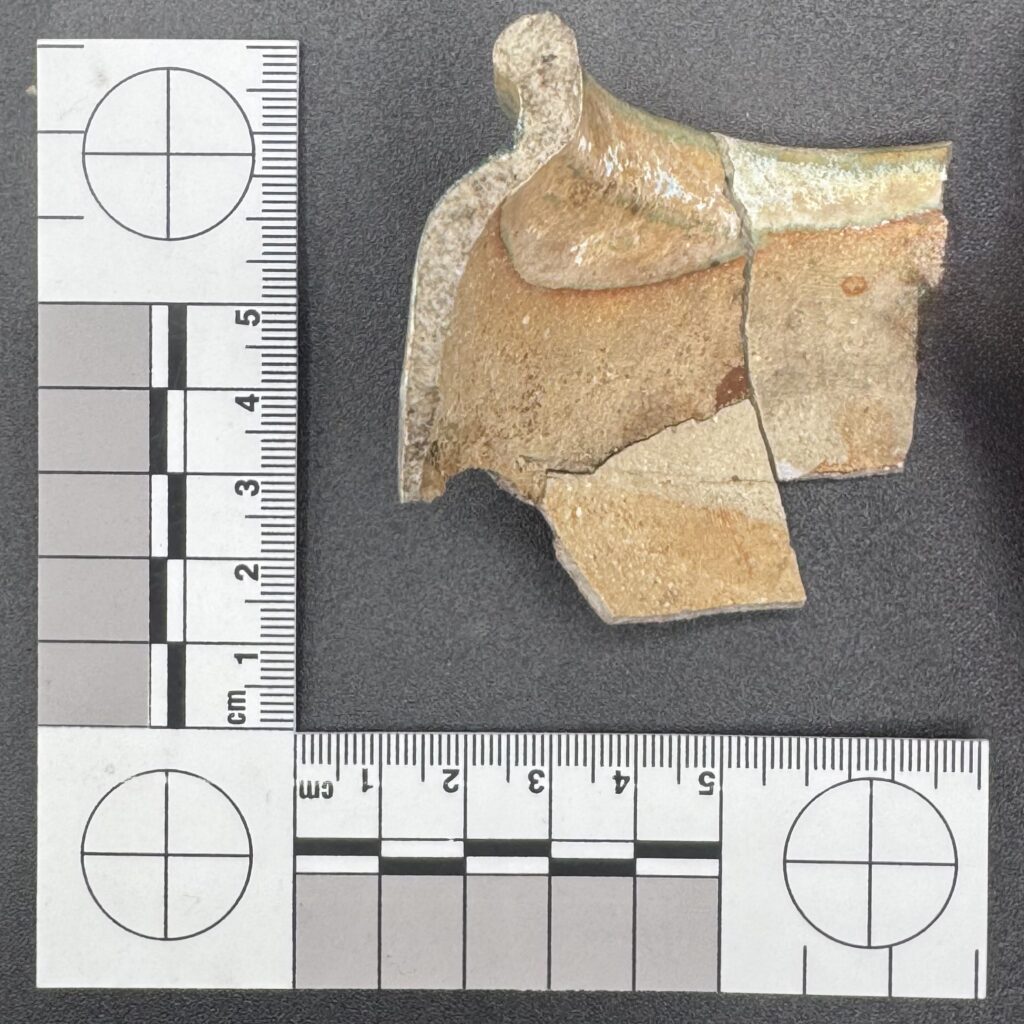
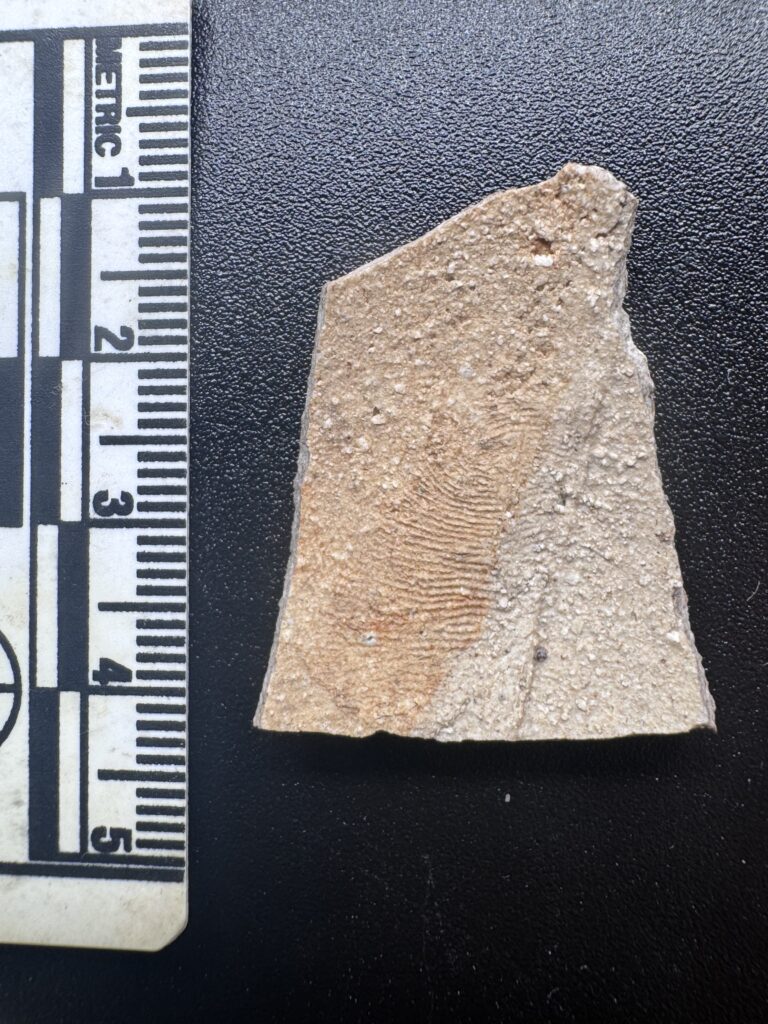
Jar #1 has a globular body, tannish green exterior glaze with spots of bluish-green, is unglazed on the interior below the rim, has a rolled rim, and an 8cm rim diameter. When throwing this ginger jar, the potter left their mark on the interior. In the picture below, the maker’s fingerprint can be seen:
Ginger Jar #2
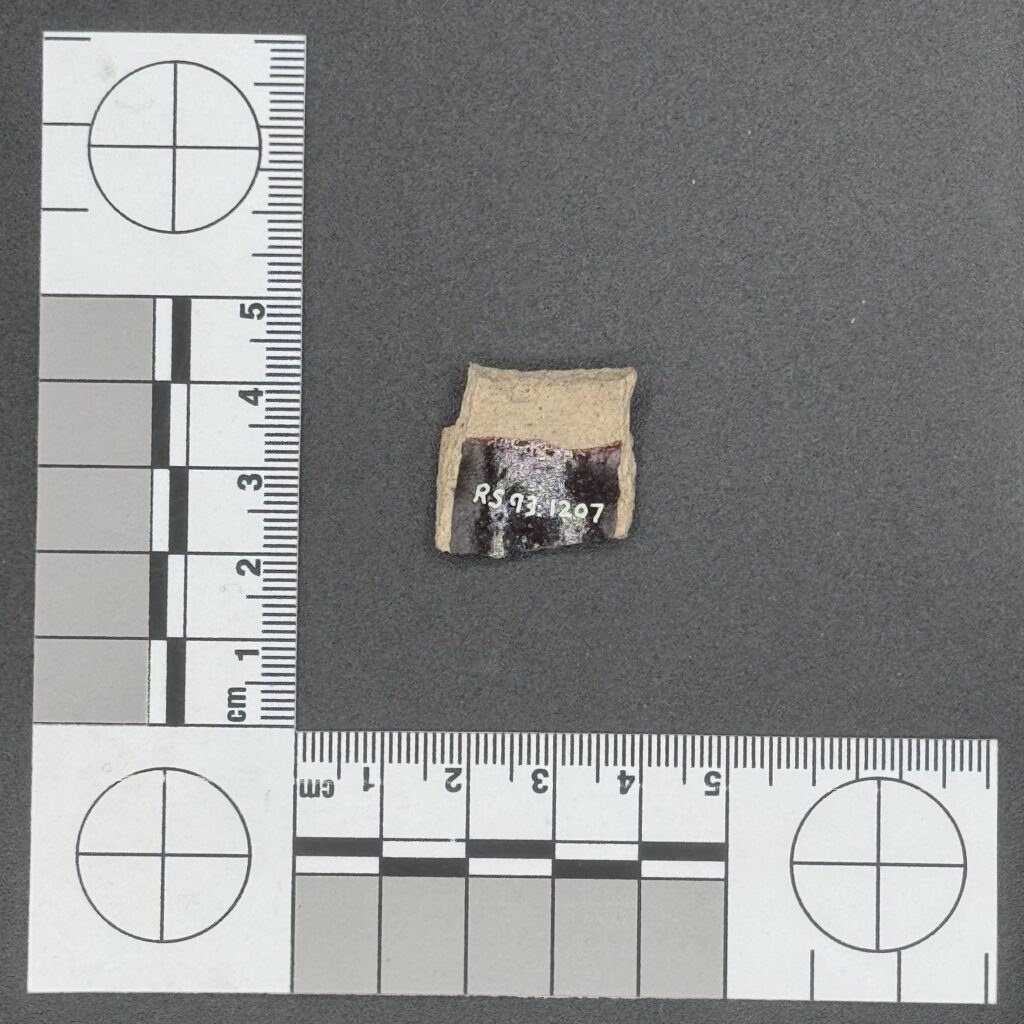
Jar #2 has a 6cm diameter recessed rim and a green glaze on the exterior, but a dark brown glaze on the interior.
Ginger jars come in many shapes and sizes, with the main colors being bluish-green, green, blue-on-white, or tan. Additionally, their shapes can vary from circular to hexagonal bodies, as well as display different lip styles shown in the jars below.
Ginger jars from the Santa Barbara and Los Angeles Chinatowns in the “Chinese Historical Society of Southern California Collection, ca. 1880-1933”; photos were used with permission of the Chinese Historical Society of Southern California:
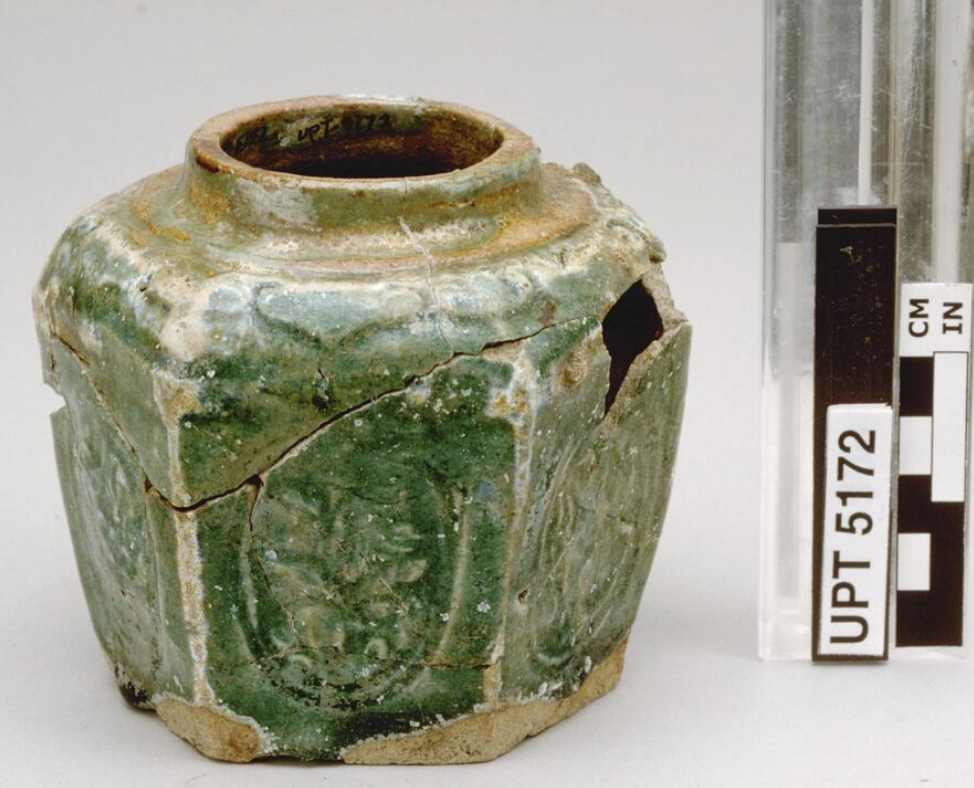
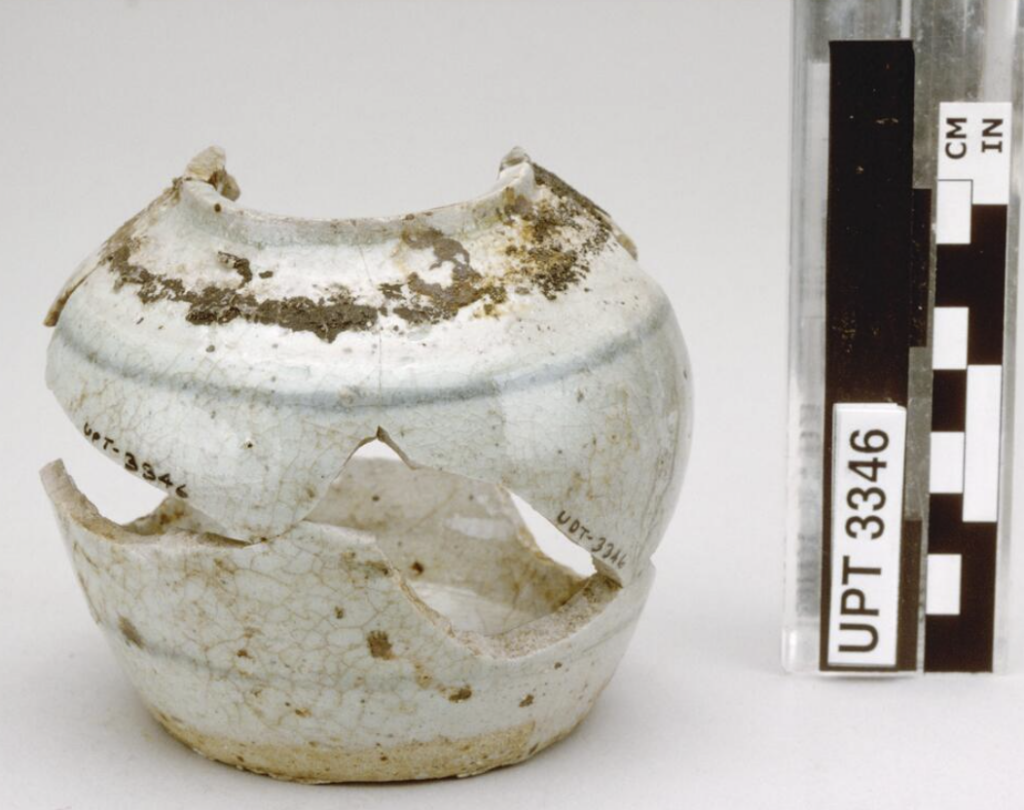
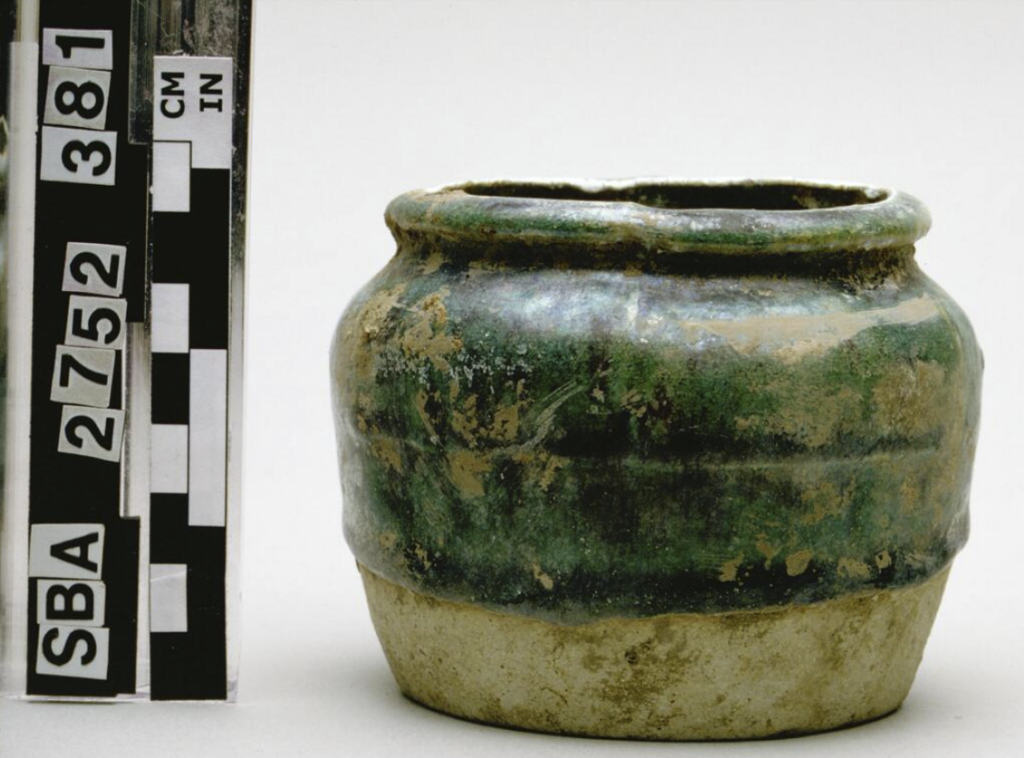
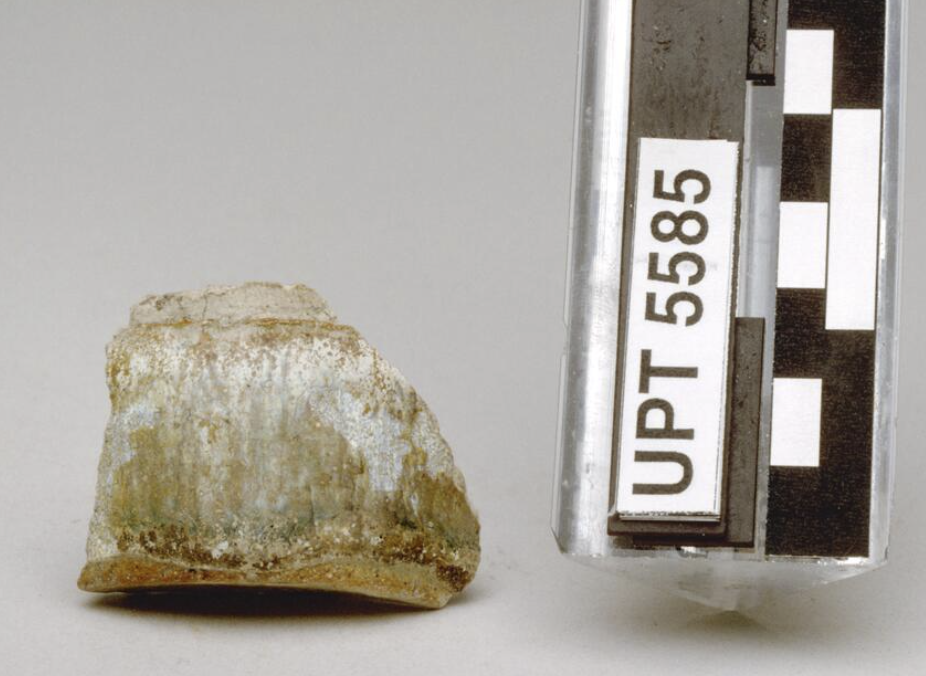
To me, Jar #1 most closely resembles the color of the ginger jar on the bottom right, while having a lip most similar to the jar on the top right. Jar #2 most closely resembles the color of the top left jar, but has a flatter body with the recessed rim like the jar on the bottom left.
Overall, there are a variety of ginger jar vessel forms and colors. Additionally, while ginger jars were originally used to store preserved ginger and were exported from Hong Kong/China to Chinatowns, the empty jars could have had a multitude of uses in storage or decor by Chinese and non-Chinese people alike.
References
Campbell, Gordon. “Ginger jar.” Grove Art Online. 22 Oct. 2008; https://www.oxfordartonline.com/groveart/display/10.1093/gao/9781884446054.001.0001/oao-9781884446054-e-7002072169
Raven, Shelly. “Red Paper and Varnished Ducks: Subjective Images of Riverside’s Chinatown.” In Wong Ho Leun: An American Chinatown, vols. 1, History, edited by Great Basin Foundation. Great Basin Foundation, 1987.
University of Southern California. “Chinese Historical Society of Southern California Collection, ca. 1880-1933.” Accessed June 3, 2026. https://digitallibrary.usc.edu/CS.aspx?VP3=DamView&VBID=2A3BXZ6GGJ7_H&PN=1&WS=SearchResults&FR_=1&W=1470&H=742
Yang, Jeannie K., and Virginia R. Hellmann. “What’s in the Pot? An Emic Study of Chinese Brown Glazed Stoneware.” The Society for California Archaeology Proceedings 11 (1998): 59–66.


Leave a Reply